Happy Lion Font for Branding: A Polished Touch for Small Businesses
It was a quiet afternoon at the café, and I was tasked with updating the menu design. The old one had served its purpose, but it felt outdated—too generic, too forgettable. I needed something that would catch attention, feel inviting, and reflect the brand’s personality. That’s when I came across Happy Lion, a display font that promised to bring a fresh, creative edge to any project.
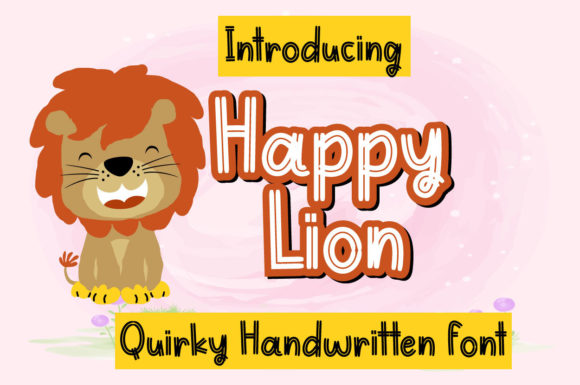
Happy Lion is a cool and neat-looking display font with an original flair that can elevate everything from letterheads to product labels. It has a friendly yet professional vibe, making it ideal for businesses looking to stand out without sacrificing readability or polish. Its clean lines and slightly playful curves give it a unique character that feels both modern and approachable.
Why Happy Lion Works for Real Business Materials
I tested Happy Lion on the new café menu, using it for section headings and special offers. The result was immediately noticeable. The font added a touch of warmth and creativity that the previous design lacked. It wasn’t just about aesthetics—it helped create a more cohesive visual identity that aligned with the café’s branding.
For small businesses, typography plays a huge role in first impressions. Whether it's a thank-you card, a product label, or a social media graphic, the right font can make your brand feel more trustworthy and memorable. Happy Lion is particularly well-suited for headlines, titles, and decorative accents where you want to draw attention without overwhelming the viewer.
Practical Uses for Happy Lion in Branding
The versatility of Happy Lion made it easy to integrate into various aspects of the café’s branding. Here are some real-life applications that worked well:
- Menu Design: Used as section headers, it gave each part of the menu a distinct identity while keeping the layout clean and easy to read.
- Product Labels: Applied to specialty drink tags, it added a fun and engaging element that caught the eye of customers.
- Social Media Graphics: Incorporated into Instagram posts and stories, it helped maintain a consistent look across all platforms.
- Website Banners: Featured in online promotions, it brought a sense of excitement and freshness to digital content.
- Thank-You Cards: Added a personal touch that made the cards feel more thoughtful and branded.
When used in these contexts, Happy Lion didn’t just add style—it helped reinforce the café’s brand message. It felt like the perfect balance between creativity and professionalism.
Typography Tips for Small Labels and Digital Use
While Happy Lion is great for display text, it’s important to consider how it will look in different formats. For small labels or mobile screens, it’s best to pair it with a clean sans serif font for body text to ensure readability. This combination keeps the design visually interesting while maintaining clarity.
On printed packaging or shop visuals, the font looks sharp and polished, especially when used with ample white space. For digital ads and thumbnails, I recommend testing the font at different sizes to ensure it remains legible and doesn’t get lost in the background.
Font Pairing Ideas for Happy Lion
Pairing Happy Lion with other fonts can enhance its impact. Here are a few suggestions based on different design needs:
- Clean Sans Serif: Great for pairing with a modern sans serif font like Helvetica or Montserrat for a balanced look.
- Elegant Serif: Combines well with a classic serif font like Georgia or Garamond for a more refined appearance.
- Script Font: Adds a whimsical touch when paired with a handwritten script font like Pacifico or Great Vibes.
- Modern Typography: Works well with minimalist typefaces such as Roboto or Lato for a contemporary feel.
These pairings help maintain a cohesive design while allowing Happy Lion to shine as the focal point of the typography.
What to Check Before Using Happy Lion
Before incorporating Happy Lion into your branding materials, it’s important to review the font details. Make sure it includes the necessary styles, file formats, and alternates. Checking for multilingual support is also crucial if your business operates in multiple regions.
Lastly, confirm that the font comes with a commercial license, especially if you plan to use it on products, packaging, or digital downloads. Ensuring proper licensing helps avoid legal issues and supports the creators behind the font.